Reaching building 16 dubai internet city doesn’t have to feel like a daily puzzle. After doing this route countless times in peak heat, winter mornings, and everything in between, you start to see the patterns that make commuting easier. Once you understand how the metro, buses, and last-mile walking paths actually work together, your commute becomes less about reacting to delays and more about moving with intention.
This guide distills what regular DIC commuters learn through experience, along with verified transit details drawn from RTA schedules and on-ground observations.
How Dubai’s Transport Network Works for Reaching Building 16 Dubai Internet City
Dubai’s public transport network is designed for predictability, but it only feels predictable when you understand its structure beneath the surface.
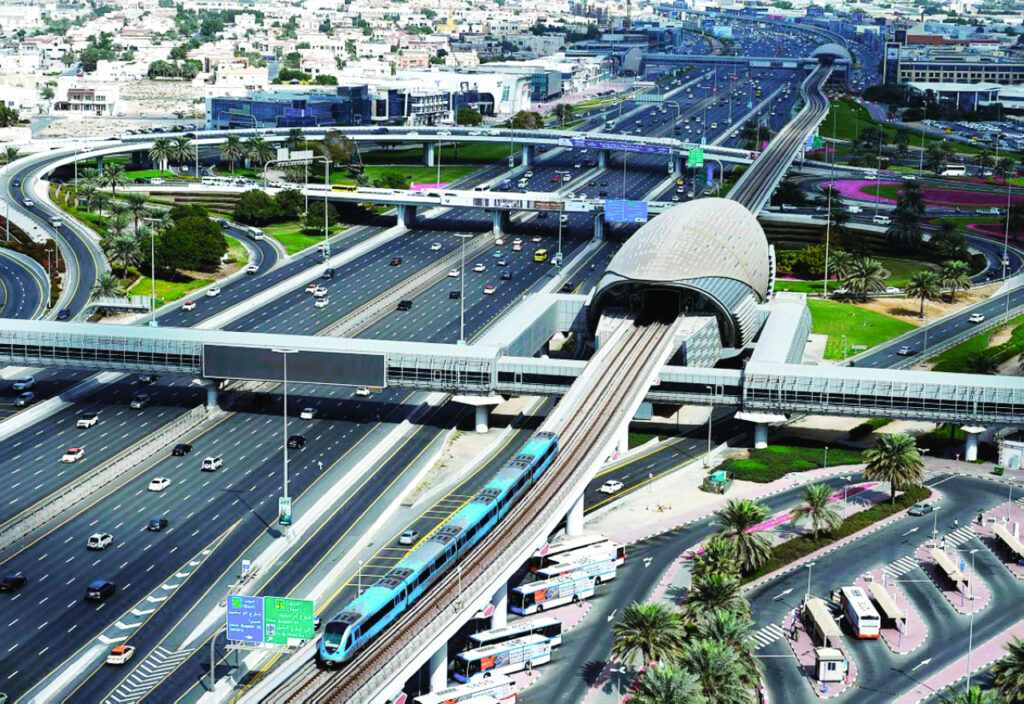
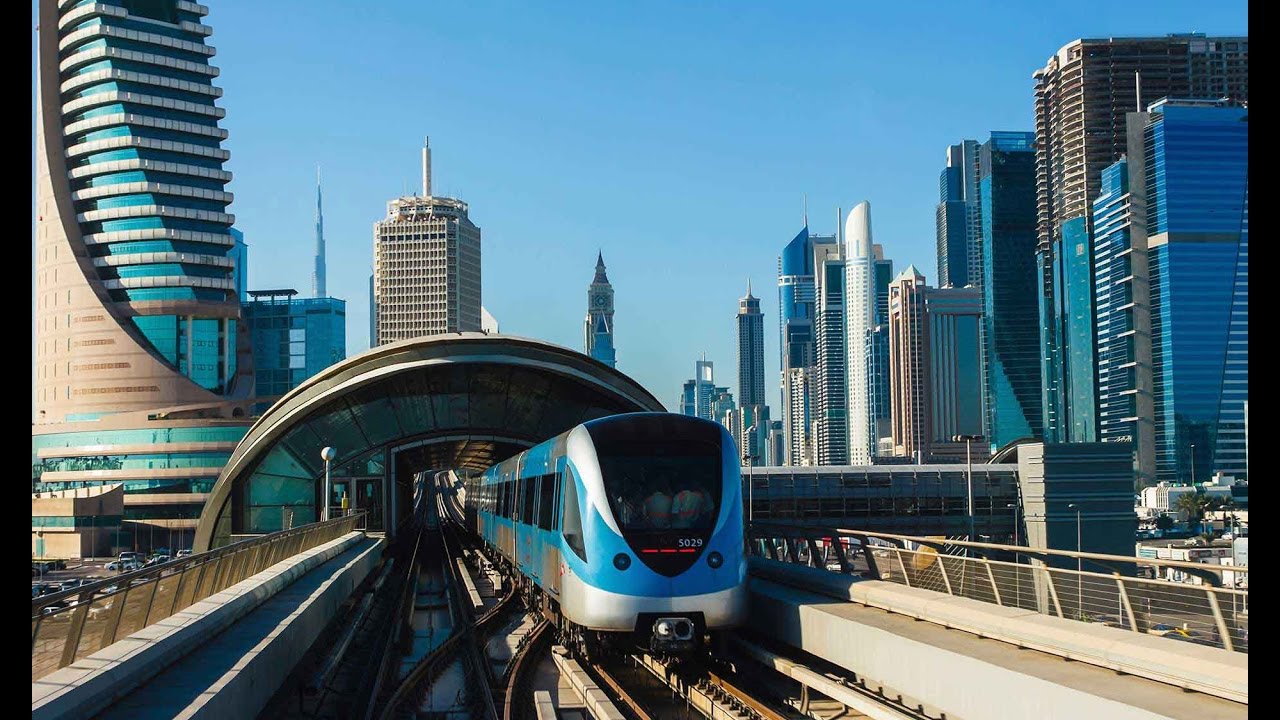
The Red Line carries most of the city’s commuter load. According to the RTA, trains run every 2.5–4 minutes during peak hours and every 5–7 minutes off-peak, which explains why most long-distance movement funnels through it. Feeder buses fill the last-mile gaps into business hubs like Dubai Internet City (DIC), TECOM, and Media City.
And here’s the part most new commuters miss:
You get a smoother experience the moment you stop thinking in transport modes and start thinking in connections.
Metro → Bus → 7-minute walk
Metro → Direct 6–8 minute walk
Metro → Corporate shuttle (5–10 minute loops)
Once you see the system as a single ecosystem, you start planning routes that flow with the city, not against it.
The Metro Stations That Actually Make Your Life Easier
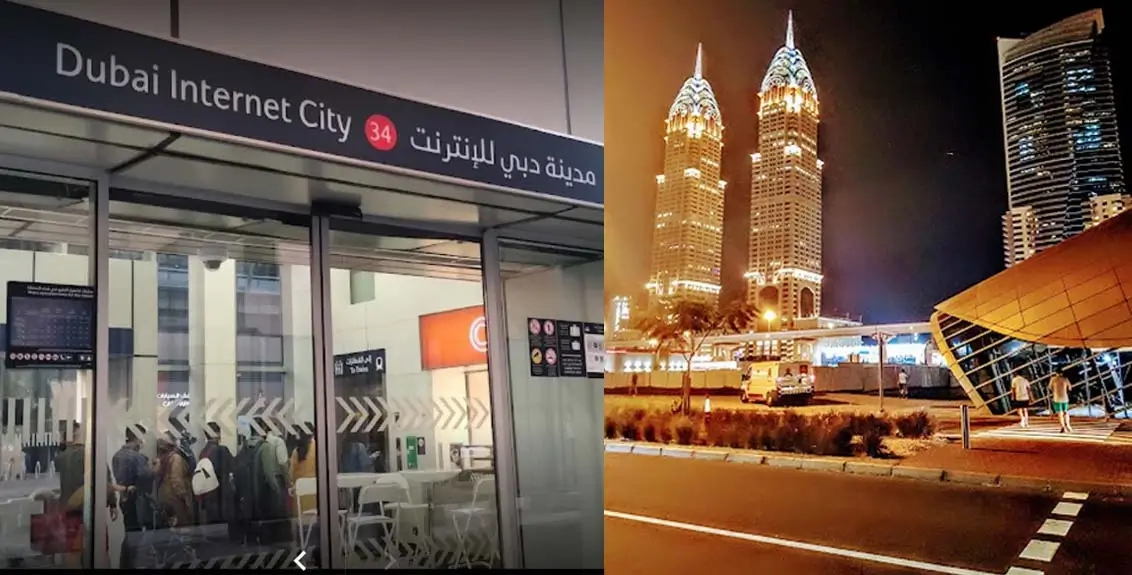
1. Dubai Internet City Metro Station (Your Primary Anchor)
This is the closest station to Building 16, with a 6–10 minute shaded walk, depending on pace. If you’ve ever walked this route during July afternoons, you know the shade makes a meaningful difference.
The signage is clear, the platform flow predictable, and the exit funnels directly toward the commercial cluster.
2. Al Khail Metro Station (Efficient for Bus Transfers)
While farther from Building 16, Al Khail Station often works better for travellers coming from areas with stronger bus connections. Routes like the F31, F35, and nearby feeder loops can create shorter overall travel times, especially during peak hours. Many visitors heading toward the best hotels in UAE also prefer this route, as it avoids the heavy rush that often slows down movement around DIC Station.
Practical truth:
Choose the station that reduces your last-mile friction, not the one that looks closest on a map.
The Bus Routes That Keep Office Districts Moving
Buses fill the micro-gaps the metro can’t.
Routes such as F31, F35, 88, and X28 frequently serve the Internet City cluster. During peak times, RTA data shows intervals tightening to every 8–12 minutes, which aligns well with Red Line arrival patterns.
Commuters who check live arrival data instead of relying on estimated schedules consistently spend less time waiting and more time arriving on schedule.
This is where the RTA app shifts from “useful” to “time-saving.”
For a Stress-Free Morning: Don’t Fight Peak Hours. Work Around Them.
Peak congestion in Dubai is not random, it follows a rhythm.
From experience (and backed by RTA footfall trends), platforms fill sharply between 7:50 AM and 9:00 AM, especially near business clusters.
- Boarding slows
- Escalators queue
- Buses bunch into bursts
Leaving 10–15 minutes before your usual peak often gives you back more comfort than the minutes you give up.
A simple shift, big payoff.
A Nol Card Isn’t Just a Ticket, It’s Your Daily Efficiency Tool
Most riders treat the Nol card as a pass. Seasoned commuters treat it as part of their system.
- Auto top-up avoids gate issues (RTA recommends maintaining at least AED 15 balance).
- Fare zones matter, crossing one boundary unintentionally can double your fare.
- Trip history shows your patterns (helpful when comparing alternate routes).
- Keeping the card clean and stored safely avoids scanning errors at peak times.
Small habits → smoother mornings.
Apps That Give You Real Control Over Your Commute
Verified tools are the backbone of an efficient transit routine:
- RTA App: Live bus + metro arrivals, accurate to the minute
- S’hail: Multi-modal planning, including taxis and e-mobility
- Google Maps / Citymapper: Step-by-step route clarity and service alerts
Since schedules shift slightly during events, holidays, high footfall days, or weather changes, real-time data prevents surprises.
Walking Paths That Support a Calm Last-Mile Experience
The walk from DIC Metro Station to building 16 dubai internet city is one of the more commuter-friendly in the district:
- Mostly shaded
- Clearly signposted
- Even pacing, you can reliably predict arrival within +/- 1 minute
- Well-lit during evenings
- Good security presence
Once you know your exact walk time, your entire routine becomes more consistent.
Corporate Shuttles: The Quiet Advantage Most New Employees Underestimate
Many DIC companies run shuttles from both metro stations.
They typically operate on 10–20 minute loops during peak hours.
If your employer offers one, treat it as part of your system. During high-heat months, this is not convenience, it’s energy management.
If You’re New to Dubai Transit, Start With This
Three simple habits make your first week dramatically easier:
- Review the metro map before leaving home.
You’ll walk onto the platform with clarity instead of hesitation. - Keep your Nol card loaded.
Almost every new commuter has been stalled at the gate at least once, avoid the frustration. - Follow Dubai’s signage.
The colour-coded system and platform arrows are designed to reduce uncertainty.
With app support, you’ll navigate like a regular within days.
Peak vs Off-Peak: Two Completely Different Commutes
Peak Hours
- Trains fill fast
- Queue flow slows
- Longer waits for escalators
Off-Peak Hours
- Cleaner transfers
- More seating
- Faster through-platform movement
Neither is “better”, only more aligned with what you need that day.
Weather Matters More Than People Realize
Dubai’s climate impacts your last mile:
- Summer heat: Shorter walks, shaded paths, and air-conditioned buses matter.
- Sandstorms: RTA updates often note reduced visibility; walking comfort drops.
- High humidity: Give yourself an extra few minutes.
A 30-second weather check → a much smoother commute.
Safety Without Stress
Dubai’s transit is generally safe, but a few habits raise your comfort:
- Stick to well-lit areas
- Secure your essentials
- Follow posted instructions
- Maintain a small time buffer during peak hours
Think awareness, not anxiety.
Accessibility That Supports Every Rider
RTA’s network includes:
- Wide gates
- Elevators
- Tactile flooring
- Low-floor buses
- Priority seating
Apps like RTA and S’hail display station-by-station accessibility details, allowing informed planning before you leave home.
If You Drive Part of the Way: Smarter Parking = Easier Days
Peripheral parking near metro stations (e.g., Al Barsha, JLT) reduces congestion stress and keeps your timing predictable.
Choose:
- Shaded spots
- Secure lots
- Predictable walking routes to the platform
Consistency builds reliability.
Weekend Schedules: Check Before You Commit
Weekend frequencies are different, normal in Dubai.
A quick check of RTA’s updated schedule prevents unnecessary waiting, especially for morning meetings or short office visits.
Quiet Carriages: Your Reset Zone
Dubai Metro’s quiet carriages are a gift during peak hours.
Minimal chatter, silenced devices, and a small pocket of calm.
If you work during your commute, this space matters.
Walk + Transit: The Combo Most Regular Riders Swear By
A short walk often cuts out an unnecessary transfer.
Seasoned commuters consistently choose:
- A 6–8 minute walk
over - A 12–15 minute wait for a feeder bus
Predictability always wins.
The Mistakes New Commuters Learn the Hard Way (But You Don’t Have To)
- Checking old schedules instead of real-time data
- Underestimating platform queue length
- Staying in the busiest carriage
- Forgetting Nol balance
- Ignoring shaded walking shortcuts
Avoid these and your first week becomes noticeably smoother.
Time-Saving Habits Regular Riders Rely On
- Track arrivals in real time
- Board the second carriage for faster exits
- Leave slightly before the peak
- Take side-paths to skip escalator queues
Small adjustments. Big improvements.
Shared Mobility: Your Safety Net for Tight Schedules
For tight mornings or high-heat days, shared mobility closes the gap between “close enough” and “on time.”
Short trips from metro to building entrances often cost less than expected and save far more time than they take.
Final Takeaway: A Confident Commute Is a Planned Commute
At UAE Explorer Zone, we track RTA updates weekly and ground our guides in real on-route experience, so you can commute with confidence, not guesswork.
When you understand how Dubai’s transit ecosystem works, metro, buses, walking paths, shuttles, and shared mobility, your daily trip to Building 16 shifts from stressful to predictable.
You deserve a commute that supports your workday.
This guide helps you build exactly that.